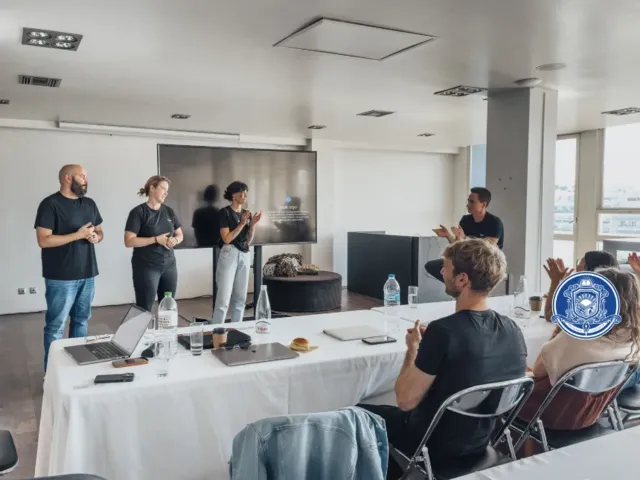
Intercultural training session at London Intercultural Academy (LIA) for workforce development.

Understanding and Conducting Business in China

Delivered online and in person

£80.00

“Surprisingly entertaining”

As Featured in The Sunday Times training that keeps professionals engaged

Learning Objectives:

  1. Understand the key cultural and business practices in China.
  2. Learn effective negotiation strategies for the Chinese market.
  3. Recognize the reasons behind certain behaviours in Chinese meetings.
  4. Develop strategies to encourage participation from Chinese counterparts.
  5. Master presentation skills tailored for a Chinese audience.
  6. Identify the main differences between Chinese and Western thinking.
  7. Verify the authenticity of Chinese suppliers and distinguish between factories and trade companies.

Section 1: Introduction

Presentation: “In order to do business there – Do you know enough about China?”

  • Objective: Provide an overview of the importance of understanding Chinese culture and business practices for successful business engagements.
  • Duration: 45 minutes
    • Content:
      • Historical context and contemporary China.
      • Key cultural values and social norms.
      • Importance of relationships (Guanxi) in business.
      • Overview of the Chinese business environment.

Section 2: Negotiations in China

Presentation: “Negotiations in China”

  • Objective: Learn key negotiation strategies and tactics specific to the Chinese business environment.
  • Duration: 35 minutes
    • Content:
      • Pre-negotiation preparation and research.
      • Building and leveraging Guanxi.
      • Importance of patience, persistence, and saving face (Mianzi).
      • Common negotiation tactics and counter-tactics.
      • Case studies and real-life examples.

Section 3: Cultural Differences

Presentation: “Main differences between Chinese and Western thinking”

  • Objective: Identify and understand the key differences in thinking and decision-making processes between Chinese and Western cultures.
  • Duration: 7 minutes
    • Content:
      • Collectivism vs. individualism.
      • High-context vs. low-context communication.
      • Decision-making processes and risk attitudes.
      • Impact of historical and philosophical influences.
      • Comparative case studies.

Section 4: Effective Presentations

Presentation: “Presentations in China in English language”

  • Objective: Understand how to deliver effective presentations in English to a Chinese audience.
  • Duration: 30 minutes
    • Content:
      • Tailoring content to the audience’s cultural context.
      • Importance of clarity, simplicity, and visual aids.
      • Common pitfalls to avoid.
      • Effective use of stories and examples.
      • Practice sessions with feedback.

Section 5: Understanding Meeting Dynamics

Presentation: “Why do Chinese people rarely raise questions in a meeting?”

  • Objective: Explore cultural reasons behind the reluctance to ask questions in meetings.
  • Duration: 5 minutes
    • Content:
      • Hierarchical structures and respect for authority.
      • The concept of face (Mianzi) and its impact on behaviour.
      • Communication styles and indirectness.

Presentation: “How to get Chinese people to speak up?”

  • Objective: Discover strategies to encourage more active participation from Chinese colleagues in meetings.
  • Duration: 10 minutes
    • Content:
      • Techniques for creating a comfortable and open environment.
      • Importance of trust-building and relationship management.
      • Direct questioning and inclusive meeting practices.

Section 6: Supplier Verification

Presentation: “Ways to verify that Chinese suppliers are factories, not trade companies”

  • Objective: Learn methods to verify the legitimacy and nature of Chinese suppliers.
  • Duration: 25 minutes
    • Content:
      • Key indicators of factories vs. trade companies.
      • Verification methods:
        • On-site visits and inspections.
        • Third-party audits and certifications.
        • Document verification and background checks.
      • Practical tips and tools.

Target Audience

  • Business Leaders and Entrepreneurs Looking to expand operations into China or engage with Chinese partners.
  • International Trade Professionals Involved in sourcing, supplier verification, or cross-border negotiations.
  • Managers and Executives Leading teams or projects that require collaboration with Chinese counterparts.
  • Consultants and Analysts Advising businesses on entering the Chinese market or optimizing existing operations.

Looking to enrol a team on this programme?

Online • In-person

Enquire about team access, pricing and delivery options

For teams and organisations See how we support organisations or enquire directly

What I will learn?

  • Historical and contemporary context
  • Cultural values (Confucianism, Guanxi 关系, face 面子)
  • Business environment and etiquette
  • Relationship building (Guanxi 关系)
  • Patience and persistence
  • Negotiation tactics and strategies
  • Collectivism vs. individualism
  • High-context vs. low-context communication
  • Decision-making processes and risk attitudes
  • Tailoring content for Chinese audiences
  • Clarity, simplicity, and visual aids
  • Common pitfalls
  • Hierarchy and authority
  • Face (Mianzi 面子) and indirect communication
  • Creating a participatory environment
  • Indicators of factories vs. trade companies
  • Verification methods

Course Curriculum

Understanding and Conducting Business in China

  • In order to do business there – Do you know enough about China?
    42:34
  • Quiz 1
  • Negotiations in China
    35:05
  • Quiz 2
  • Cultural Differences
    06:52
  • Quiz 3
  • Effective Presentations
    28:48
  • Quiz 4
  • Understanding Meeting Dynamics
    04:32
  • Quiz 5
  • How to get Chinese people to speak up
    10:10
  • Quiz 6
  • Supplier Verification
    22:35
  • Quiz 7

Certification

Certification included as part of the programme

selected template

Target Audience

  • Business Leaders and Entrepreneurs Looking to expand operations into China or engage with Chinese partners.
  • International Trade Professionals Involved in sourcing, supplier verification, or cross-border negotiations.
  • Managers and Executives Leading teams or projects that require collaboration with Chinese counterparts.
  • Consultants and Analysts Advising businesses on entering the Chinese market or optimizing existing operations.

Looking to enrol a team on this programme?

Online • In-person

Enquire about team access, pricing and delivery options

Self-paced

Learn at your own pace

Live sessions

Learn with a facilitator

For teams

From groups to enterprise

For teams and organisations
Delivered as full-day, or multi-session programmes, integrated into leadership initiatives.
See how we support organisations or enquire directly
£80.00

Trusted Across Industries

Each programme translates complex human dynamics into clear, usable skills that improve communication and team performance. Trusted by professionals and teams across 40+ countries.

Training That Drives Performance

Adapted to team size and organisational context. 

In person
Online

Tailored facilitator-led experiences designed through proprietary LIA frameworks and delivered across major cities.

Self-paced, interactive micro-learning lessons with real-world scenarios, quizzes, and certification

How Participants Describe the Experience

Frequently Asked Questions

Our programmes are designed for professionals, leaders, and organisations seeking meaningful development.

Yes.

We deliver in-person workshops, team sessions, and executive programmes, either on-site or at selected venues.

These are particularly effective where interaction, alignment, and real-time discussion are essential.

Most courses transfer knowledge.

These programmes are designed to reshape perspective.

The emphasis is on application, reflection, and behavioural change, making sure that what is learned is carried into practice, not left behind at completion.

Participants who complete a programme will receive certification from London Intercultural Academy (LIA).

Yes — and it should be.

We adapt scenarios, language, and case examples to reflect your actual workplace dynamics, not generic corporate situations.

Otherwise, people disengage instantly.

For self-paced version, access is provided immediately upon enrolment.

For in-person delivery, we can start within weeks.

discover other Programmes

×

Get full programme details

Receive the full breakdown of this course.

Want to receive push notifications for all major on-site activities?

0
    Enrolment Form
    Your cart is emptyReturn to Courses