
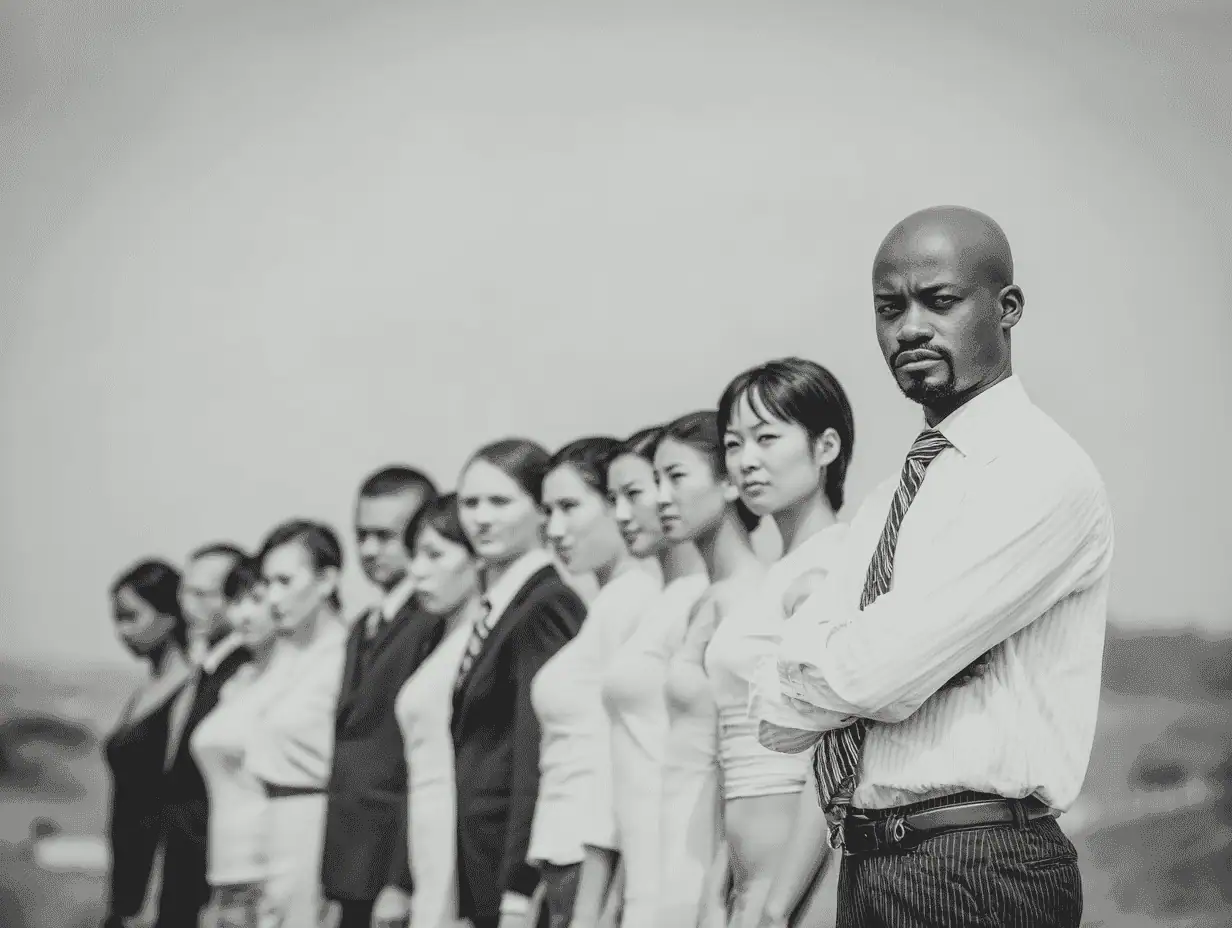
By Hadi Brenjekjy
Introduction: Power Is not a Dirty Word
When people hear the word power in the workplace, it can bring up some mixed feelings. But power, in the right hands and used the right way, is what gets things moving in any organization. Suppose you are creating a new HR policy, handling performance reviews, or office politics, understanding the types of power in organizational settings can give you a huge edge.
And no, it’s not just about the corner office or titles.
There are different kinds of power around in every company and each one plays a unique role in how influence works. If you are in corporate and especially in HR, it’s important to know what these powers are and how they show up in your company culture.
So, let’s break it down, shall we?
1. Legitimate Power – The Classic “I’m the Boss” Power
This one’s probably the easiest to spot. Legitimate power comes from a formal role or position in the organizational hierarchy. When your CEO gives you an order, or your team lead assigns tasks, that’s legitimate power in action.
HR Angle:
As an HR proffissional, you are constantly working with legitimate power—think org charts, job descriptions, and reporting lines. But here’s the catch: just because someone has this kind of power doesn’t mean they automatically use it well. That’s where training and leadership development come in.
2. Reward Power – Carrots Over Sticks
Reward power is all about the ability to offer something valuable—like bonuses, promotions, recognition, or even just great assignments.
Example:
A manager who recognizes team wins with small perks or public shout-outs can build loyalty and boost motivation.
HR Angle:
You are often the gatekeeper of this one. Compensation plans, employee recognition programs, and performance-based incentives are all reward power in action. Used wisely, this type of power is a huge driver of engagement.
3. Coercive Power – The Tough Stuff
This is the “stick” to reward power’s “carrot.” Coercive power involves the ability to punish—write-ups, demotions, or even termination.
Heads-Up:
Overuse of this power leads to fear-based cultures, high turnover, and low morale. No bueno.
HR Angle:
HR policies need to make sure this type of power is applied fairly and consistently. It’s also your job to help leaders use this sparingly—and only when necessary.
4. Expert Power – Knowledge Is (Still) Power
This one doesn’t come from a title, but from what you know. People with specialized skills or deep knowledge often hold expert power
Example:
An HR data analyst who’s mastered people analytics can hold serious sway in decision-making, even without a senior title.
HR Angle:
Want to attract expert power? Build a culture that values learning and continuous development. Training programs, mentorships, and skills recognition are all part of the equation.
5. Referent Power – The Likeable Leader
Referent power is all about personal charm, integrity, and connection. People follow you not because they have to, but because they want to.
Fun Fact:
This is often the power behind unofficial leaders—those colleagues everyone turns to for advice or support.
HR Angle:
Culture-building and leadership development initiatives should tap into this power. When you spot someone with high emotional intelligence and influence—even if they are not a manager, they might just be leadership material.
6. Informational Power – The Insider Advantage
This type of power comes from access to valuable info, strategy, data, or insights others don’t have.
Example:
A project manager who knows the details of an upcoming restructuring plan holds informational power, even if they can’t act on it directly.
HR Angle:
Transparency is key here. When informational power is hoarded, it leads to mistrust and silos. As HR, promoting open communication and knowledge sharing can balance out this power type.
Let’s Recap That
Here’s a quick cheat sheet you can keep handy:
| Type of Power | Based On | Best Used For | Watch Out For |
|---|---|---|---|
| Legitimate | Formal position | Setting direction, decision-making | Misuse of authority |
| Reward | Ability to reward | Motivation, employee engagement | Favoritism |
| Coercive | Ability to punish | Correcting behavior | Fear, resistance |
| Expert | Knowledge & skill | Credibility, problem-solving | Arrogance, isolation |
| Referent | Charisma & trust | Influence, team cohesion | Overreliance on popularity |
| Informational | Access to info | Strategic insights, transparency | Withholding, manipulation |
Why This Matters in Corporate HR
So, why should HR teams care about all this? Well, power dynamics shape everything—from how teams interact to how leadership is perceived. If you can understand who holds what kind of power (and how they are using it), you can make smarter hiring decisions, build more effective training programs, and handle conflicts like a pro.
Plus, you will be better equipped to coach managers, advise executives, and create a culture that’s fair, inclusive, and high-performing.
Pro Tips for HR Professionals
Want to manage power dynamics more effectively? Try these:
- Conduct leadership assessments to spot gaps in power types (especially referent or expert).
- Train managers on ethical use of coercive and reward power.
- Promote mentorship to grow referent and expert power organically.
- Audit communication flows to ensure informational power isn’t being misused.
- Reward influence, not just titles—recognize those who make things happen without formal authority.
FAQs
Q: Can someone have more than one type of power at once?
Absolutely! The most effective leaders usually combine several types. Think of a well-liked VP with deep expertise who also controls budget decisions—that’s a triple threat right there.
Q: How can HR develop referent power in future leaders?
Start with emotional intelligence training, strong feedback systems, and cross-functional exposure to help rising stars build trust and visibility.
Q: Is coercive power always bad?
Not always. Sometimes it’s necessary—for example, enforcing anti-harassment policies. The key is to use it fairly, transparently, and only when appropriate.
Final Thoughts
Power is not one-size-fits-all, and it sure isn’t just about titles. Understanding these different types of power can help you through tricky dynamics, influence more effectively, and build a healthier workplace.
And hey—if you have ever wondered why some people seem to lead without even trying, now you have got your answer.
Enjoyed the read? Got questions or experiences with power in your workplace? Let’s chat in the comments or shoot me a message! And don’t forget to share this with your HR Team!
Interesting read from SHRM: “The Ethics of Power in Leadership”
Giving and Receiving Feedback For Leaders
Effective Recruitment and Selection Strategies
Strategies for Workplace Success