By Hadi Brenjekjy
I have worked in companies where suits were ironed sharp and led training programs where the dress code was… whatever you like. And I have seen something fascinating (and sometimes painfully awkward) across these spaces
In this article im going to share what boomers, millennials & gen z taught me about inclusion (and Miscommunication)
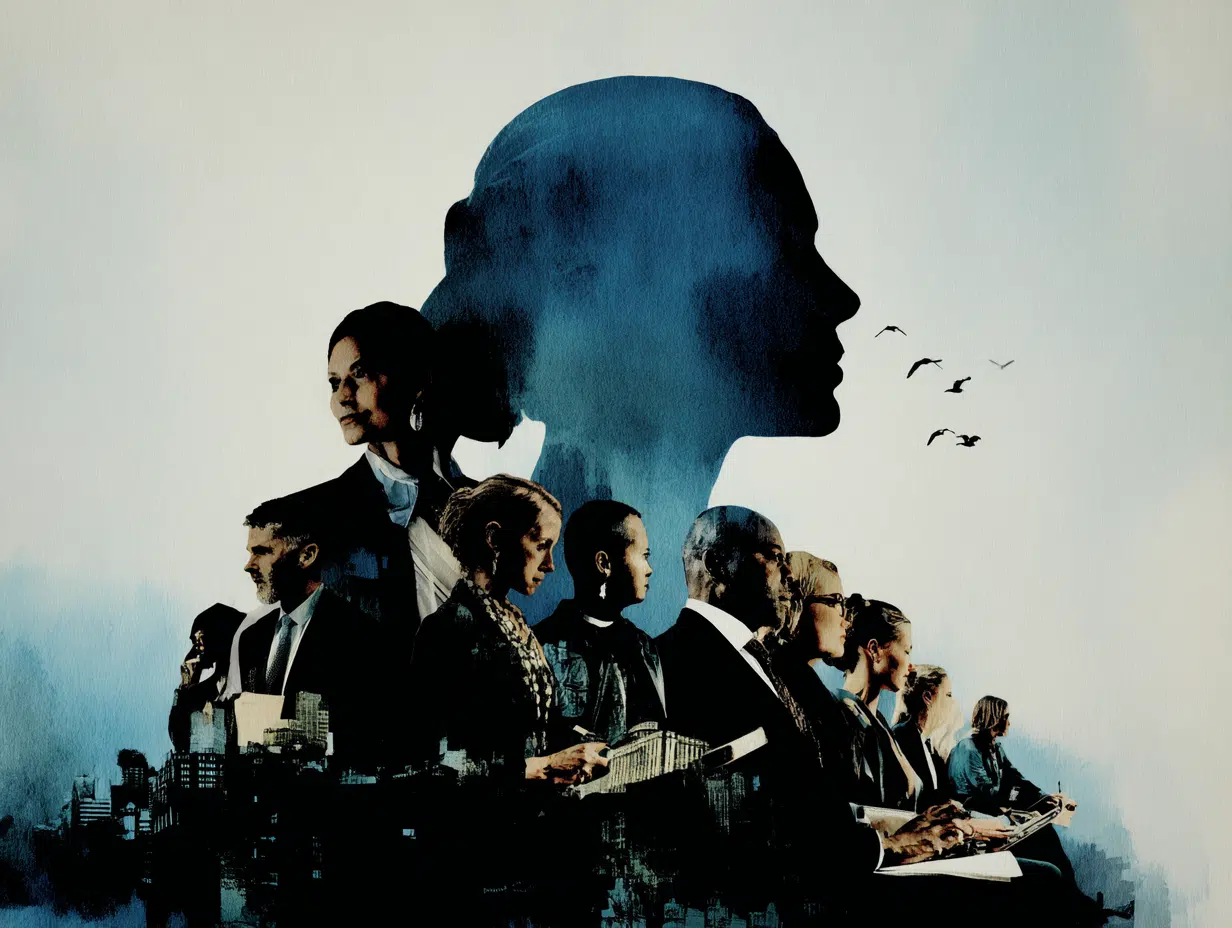
Generational Diversity: Why Gen Z Wants Action, Boomers Want Order, and Everyone Needs to Talk
Everyone wants to belong — but not everyone defines belonging the same way.
According to a 2022 Deloitte survey:
- 74% of Millennials and 64% of Gen Z believe that inclusivity = innovation.
- Only 56% of Baby Boomers feel the same.
DEI (Diversity, Equity, and Inclusion) has become a global priority. And yet, in meetings I have watched entire generations talk past each other.
Boomers might say, “We treat everyone equal here.”
Millennials might say, “Where’s the representation in leadership?”
Gen Z might say, “Cool, but what are we doing about climate justice and neurodiversity?”
Whats facinating? They are all right — from their own lens.
So let’s talk about it from the perspective of someone who’s had to learn, unlearn, and then re-learn how to lead across generations.
The Real Problem: We Think We are Speaking the Same Language — But We are Not
- Boomers (many of them helped lay the foundation for equal opportunity policies) they often think DEI has already happened. They remember when not discriminating was revolutionary. For them, “fairness” = rules, structure, and hard work.
- Gen X (my in-betweeners) tend to be pragmatists. They want DEI, but quietly. Less “activism,” more “policy with ROI.”
- Millennials want purpose with their paycheck. They are pushing for equity in pay, parental leave, and leadership development. “Diverse hiring” is table stakes for them.
- Gen Z, meanwhile, walks in saying, “Cool, but what’s your stand on Palestine, pronouns, and AI bias?” Their expectation is that DEI is lived, not in the HR handbook.
DEI has the same definition, it also has different meanings
A Personal Wake-Up Call: The Exit Interview That Changed Everything
Years ago, a young colleague — brilliant, creative, full of promise — resigned. I asked her why.
“In this boys’ club, I’m not seen. I have to repeat myself three times in meetings to be heard. And when I finally am, someone else gets credit. That is not inclusion. That is PR.”
It stung. Because she was right.
I realised then: DEI is not the intention — it is the impact.
And that impact looks different depending on what generation you belong to.
That moment pushed me to rethink how people should lead, how they should communicate, and most importantly — how they should listen.
Where Different Generations Trip Over Themselves
1. Generational Blind Spots
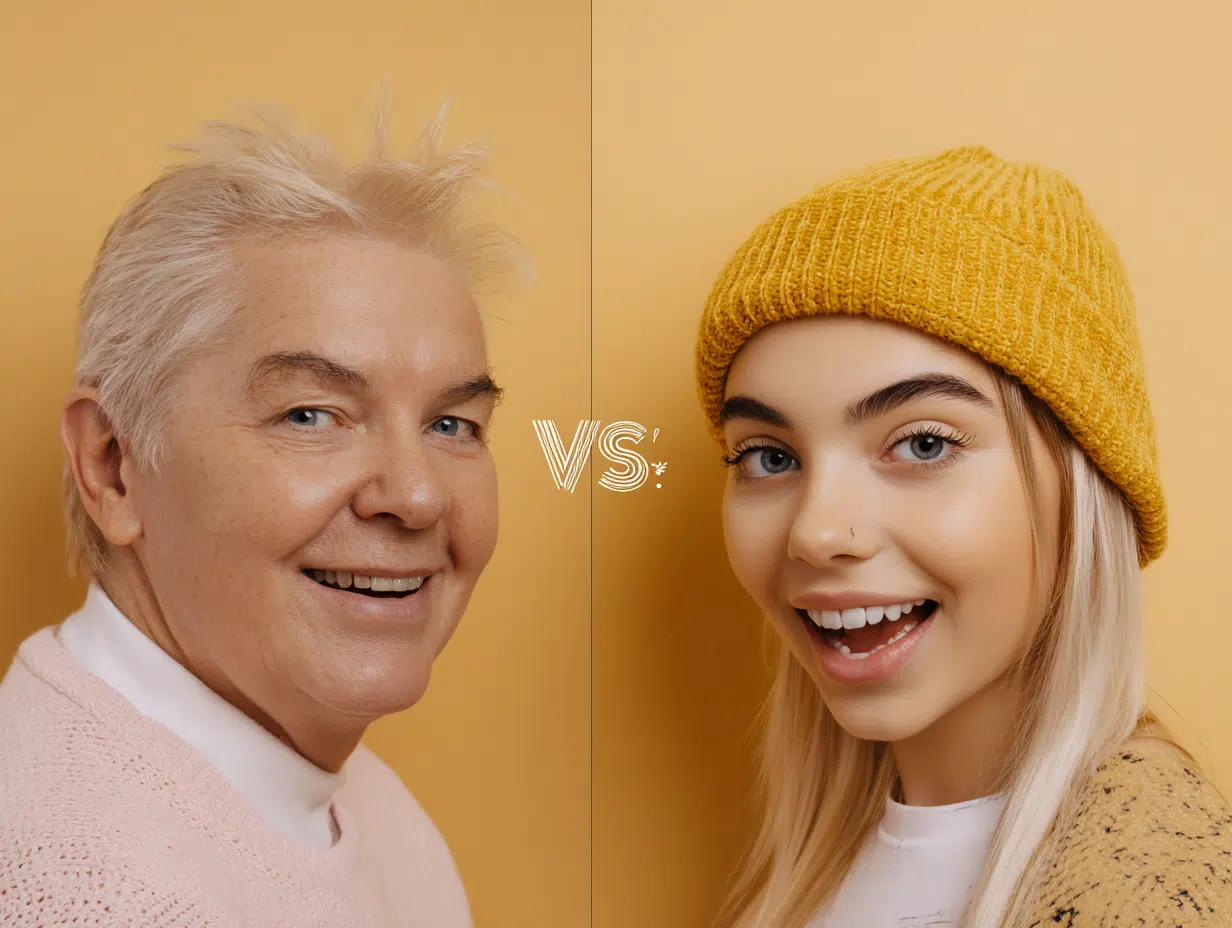
Boomers might think “treating everyone the same” is inclusive. But Gen Z wants you to recognise differences — not erase them. they want to treat each person the way asked to be treated and wants to be treated.
2. Clashing Comfort Zones
Millennials love whatsapp messages filled with GIFs and empathy. Boomers? “Why is this meeting on whatsapp?”
Gen Z? “Why is this meeting even a meeting?”
3. Silence ≠ Safety
Gen X might think that not rocking the ship is professionalism. But younger generation see silence as (Hey, there is something weird going on behind the curtains).
The Good News: When You Get It Right, Magic Happens
Once you start asking and understanding about the generational perspectives that shape your workplace — not just tolerating them — here is what will change:
Senior staff will feel respected for their wisdom, not dismissed as outdated.
Younger staff stopped rage-applying and started co-creating.
The workplace culture became less “us vs.them” and more “what can we build together?”
This is amazing, you know why? because each generation contributes with their knowledge and wisdom, senior staff have seen it all, younger staff are digital native, together, will create magic.
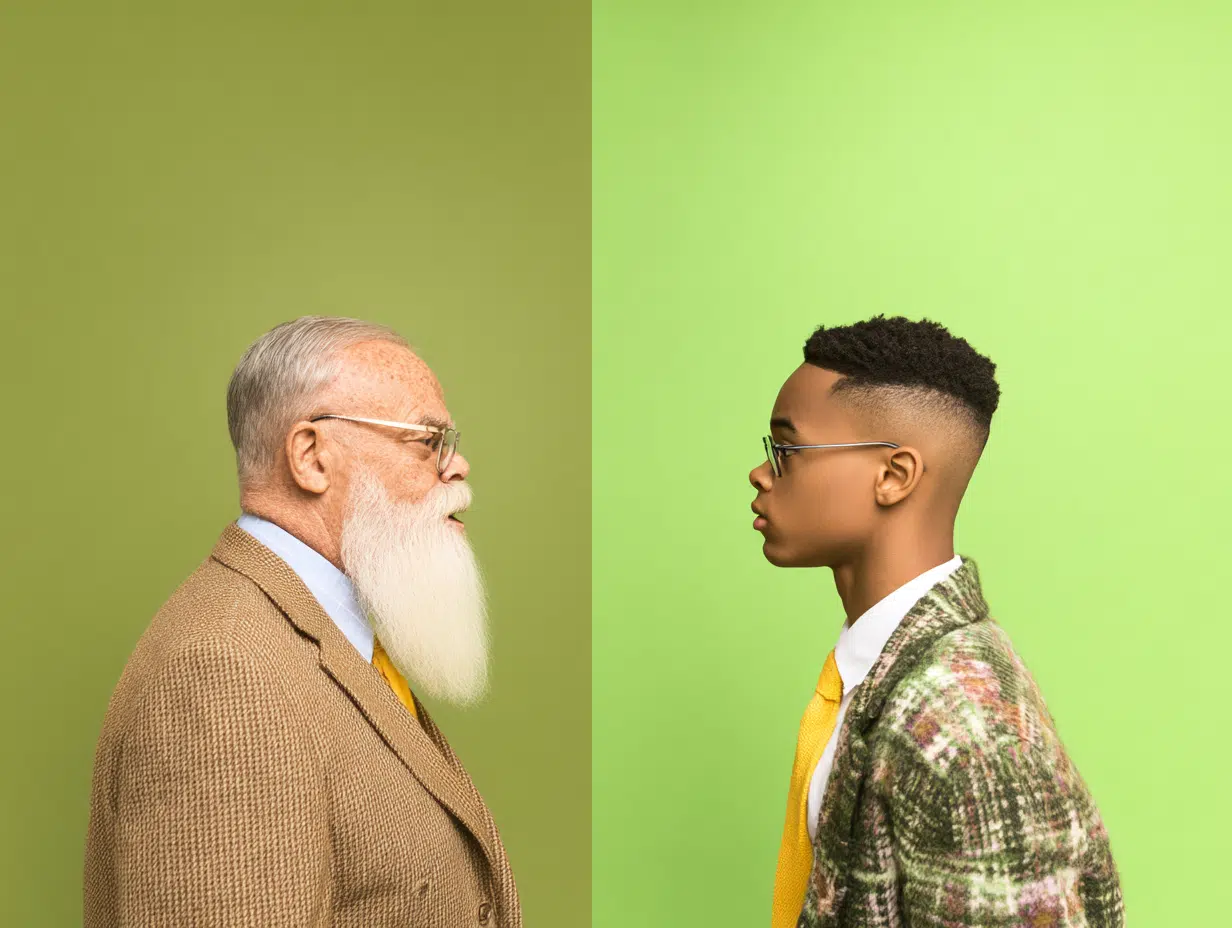
One of the best things you can do? Launch a reverse mentorship program. Pair a Gen Z team member with a senior manager. Both will came back saying they have learned so much from eachother
We don’t just need top-down leadership. We need looped-in leadership. The advantage of the experience senior proffesionals had is now taken down in the age of AI and technology by digital natives, everyone is equal, so why the top-down leadership?
Where I Think We are Headed (And What We Better Get Ready For)
If we want strong workplaces, we need curated, relevant, and always evolving DEI strategies
I believe we will see:
- Technology as a DEI enabler, like AI translation and accessibility-first design.
- Employees choosing companies not by salary but by soul.
The most successful leaders will not be the loudest or the trendiest. They will be the ones who know how to listen across generations, blend their values, and design cultures that stretch without snapping.
DEI Is a Dialogue, Not a Download
I have made mistakes. I have spoken the language of “equity” with the tone of “corporate.” I have assumed younger voices were too idealistic and older ones too resistant.
I was wrong.
Now, I know this:
Every generation wants dignity. They just define it differently.
So to my fellow leaders, mentors, change-makers — here is my challenge:
Create a space where no generation feels like they have to be someone else to fit in
Inclusion is a practice.
And for me, it is personal.