
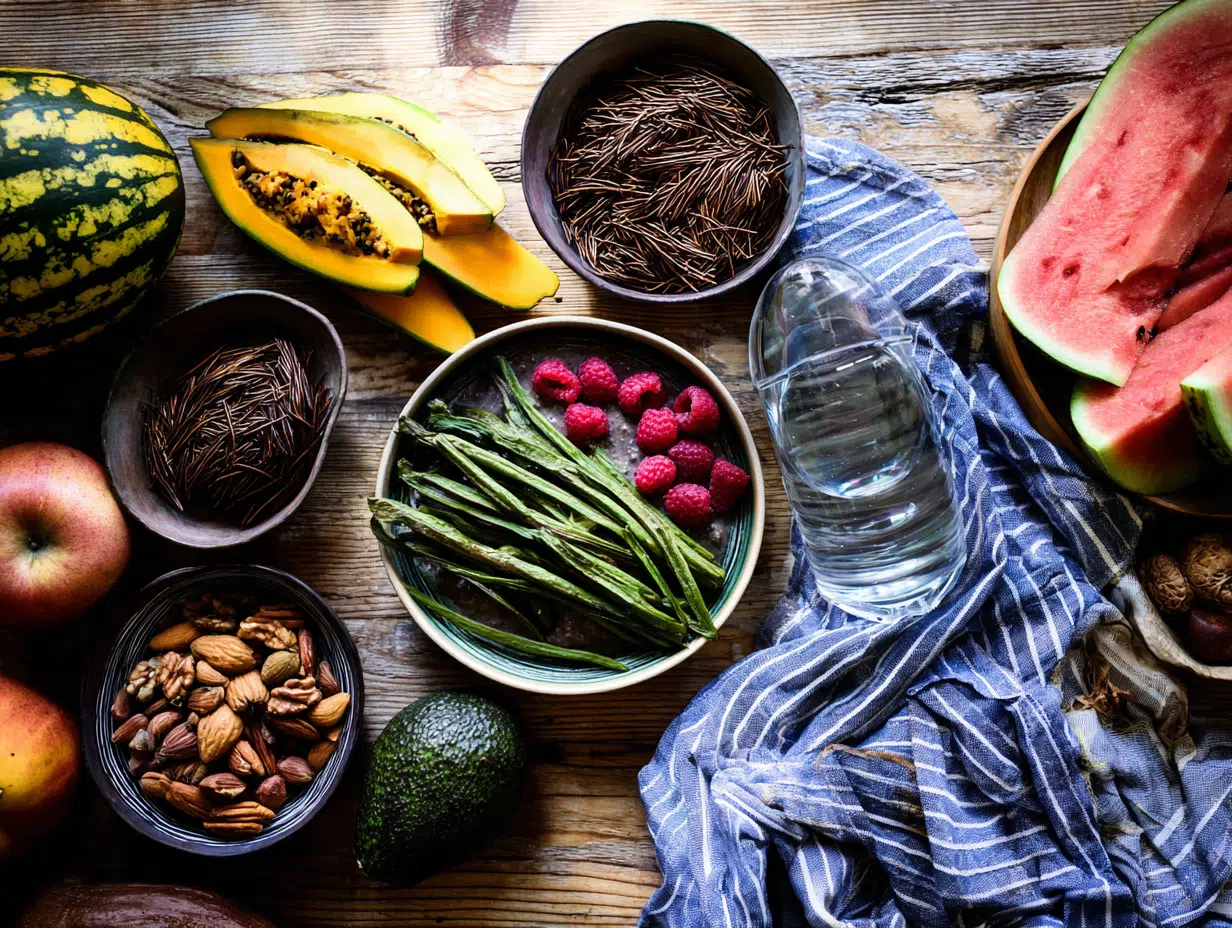
Feeling off your game lately? Tired, foggy, or just kinda… bleh? Your nutrition might be the missing puzzle piece. The good news? You don’t have to go full kale-smoothie-mode overnight. Small tweaks can lead to big changes.
In this post, we are breaking down 10 super practical, science-backed nutrition tips that’ll help you feel better, move better, and live better—without the overwhelm.
1. Don’t Skip Meals—Especially Breakfast
Let’s be real: skipping meals might save time, but it can also wreck your energy and mess with your metabolism. Starting your day with a balanced breakfast—think protein, fiber, and healthy fats—can:
- Boost brain function
- Keep blood sugar stable
- Help with portion control later in the day
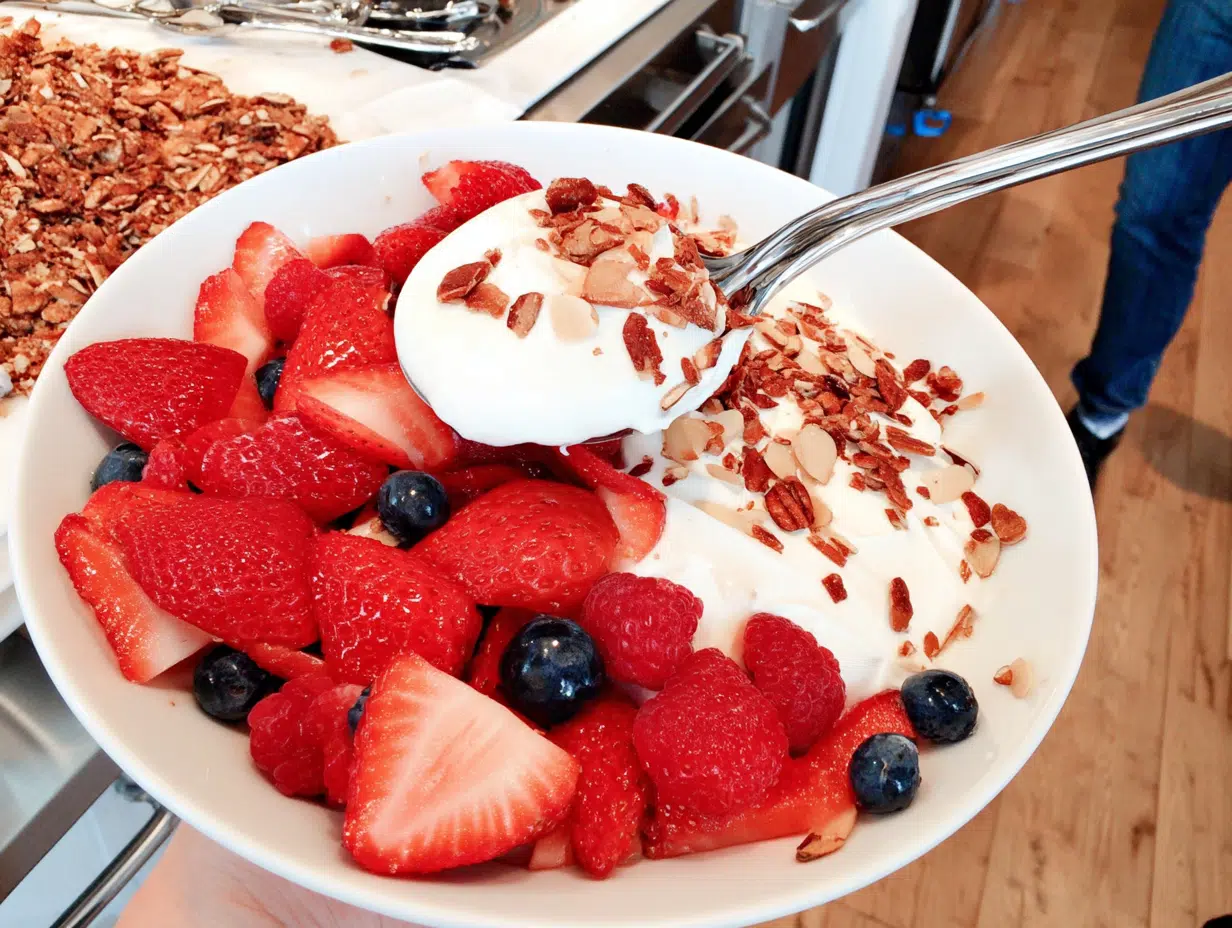
🔹 Example: Try Greek yogurt + berries + a sprinkle of nuts or a veggie omelet with whole grain toast.
2. Hydration Is a Game-Changer
Water might seem basic, but it’s seriously underrated. Even mild dehydration can cause fatigue, headaches, and poor concentration. Aim for:
- 8 cups a day as a baseline (more if you’re active)
- Herbal teas and water-rich foods (like cucumbers and melons) to boost intake
🌀 Pro Tip: Keep a reusable water bottle nearby and sip throughout the day.
3. Eat More Whole Foods, Less Processed Stuff
Whole foods are packed with nutrients your body actually recognizes. Processed foods? Not so much. Fill your plate with:
- Fresh fruits and veggies
- Whole grains like oats, brown rice, quinoa
- Lean proteins and healthy fats
Avoid ultra-processed snacks, sugary cereals, and mystery-ingredient packaged meals when possible.
4. Don’t Fear Fats—Choose the Good Ones
Fat isn’t the enemy—it’s essential. You just need the right kinds:
- ✅ Healthy fats: avocado, nuts, seeds, olive oil, fatty fish
- ❌ Avoid trans fats and limit saturated fats (often found in fried foods, margarine, etc.)
Healthy fats help your brain, hormones, skin, and even mood. No need to fear the guac!
5. Cut Back on Added Sugars
Sugar is sneaky—and it’s hiding in everything from salad dressings to granola bars. Too much can lead to energy crashes, weight gain, and increased risk of chronic diseases.
Watch out for ingredients like:
- High fructose corn syrup
- Sucrose, glucose, and anything ending in “-ose”
🔎 Label tip: If sugar is one of the first 3 ingredients, it’s probably too much.
6. Fill Half Your Plate with Veggies
Yep, your parents were right. Vegetables are packed with fiber, antioxidants, and essential nutrients. The more color, the better.
Go for: broccoli, spinach, bell peppers, carrots, kale, zucchini—you name it!
Mix raw, steamed, roasted, and grilled for variety. Bonus: They help keep your gut happy and digestion smooth.
7. Be Mindful of Portion Sizes
Even healthy foods can work against you in large portions. A few simple strategies:
- Use smaller plates
- Eat slowly and stop when you’re satisfied—not stuffed
- Avoid eating straight from the package (hello, snack trap)
👀 Pro Tip: Visual cues help—1 serving of meat = deck of cards, 1 serving of pasta = your fist.
8. Listen to Your Body, Not Just Diet Rules
We’ve all heard trendy “rules” like “don’t eat after 7 PM” or “carbs are bad.” But guess what? Everyone’s body is different.
- Eat when you’re hungry, stop when you’re full
- Tune into how foods make you feel (energized vs. sluggish)
- Don’t stress if you indulge—balance is key
Trust your gut—literally and figuratively.
9. Cut Down on Liquid Calories
Soda, fancy coffee drinks, sweet teas—they sneak in tons of calories and sugar with little to no nutrition.
Try swapping:
- Soda → Sparkling water with lemon or fruit
- Sugary lattes → Coffee with cinnamon and a splash of milk
- Juice → Whole fruit (fiber keeps blood sugar steady!)
Your waistline (and your pancreas) will thank you.
10. Pair Good Nutrition with Sleep & Movement
Food is just one piece of the wellness puzzle. To really thrive:
- Get 7–9 hours of sleep each night
- Move your body daily—walks, stretches, yoga, whatever you enjoy
- Manage stress with deep breathing, journaling, or simply unplugging
Nutrition fuels your body, but rest and movement keep it running smoothly.
FAQs About Nutrition and General Wellness
Q: Do I need to count calories to be healthy?
A: Not necessarily. Focus on quality of food and tuning into hunger/fullness cues. Calorie counting can help some people, but it’s not the only path to wellness.
Q: Are carbs bad?
A: Nope! Whole carbs (like fruits, veggies, oats, and brown rice) are packed with fiber and nutrients. It’s the refined carbs (like white bread and pastries) that you want to limit.
Q: What’s the best “diet” to follow?
A: The best one is the one you can stick to! Focus on whole, minimally processed foods, hydration, balance, and how food makes you feel.
Final Thoughts: Wellness Starts with Your Plate
You don’t need to be perfect—just consistent. These small shifts in your daily habits can add up to massive results over time. Remember, it’s not about dieting or restriction—it’s about nourishing your body so you can feel your best, every single day.
Want to dig deeper?
Check out these awesome resources:
- Harvard Nutrition Source
- ChooseMyPlate.gov
- NutritionFacts.org
- Certified Immunity Coach: Natural Wellness & Disease Prevention
If you enjoyed this post and found it helpful, don’t forget to subscribe to our newsletter